 Image 1 of 1
Pure Pepper Black Essential Oil (Essence) (organic n/c)
'Tend your fire so that it may burn bright and steady'
Family: Piperaceae
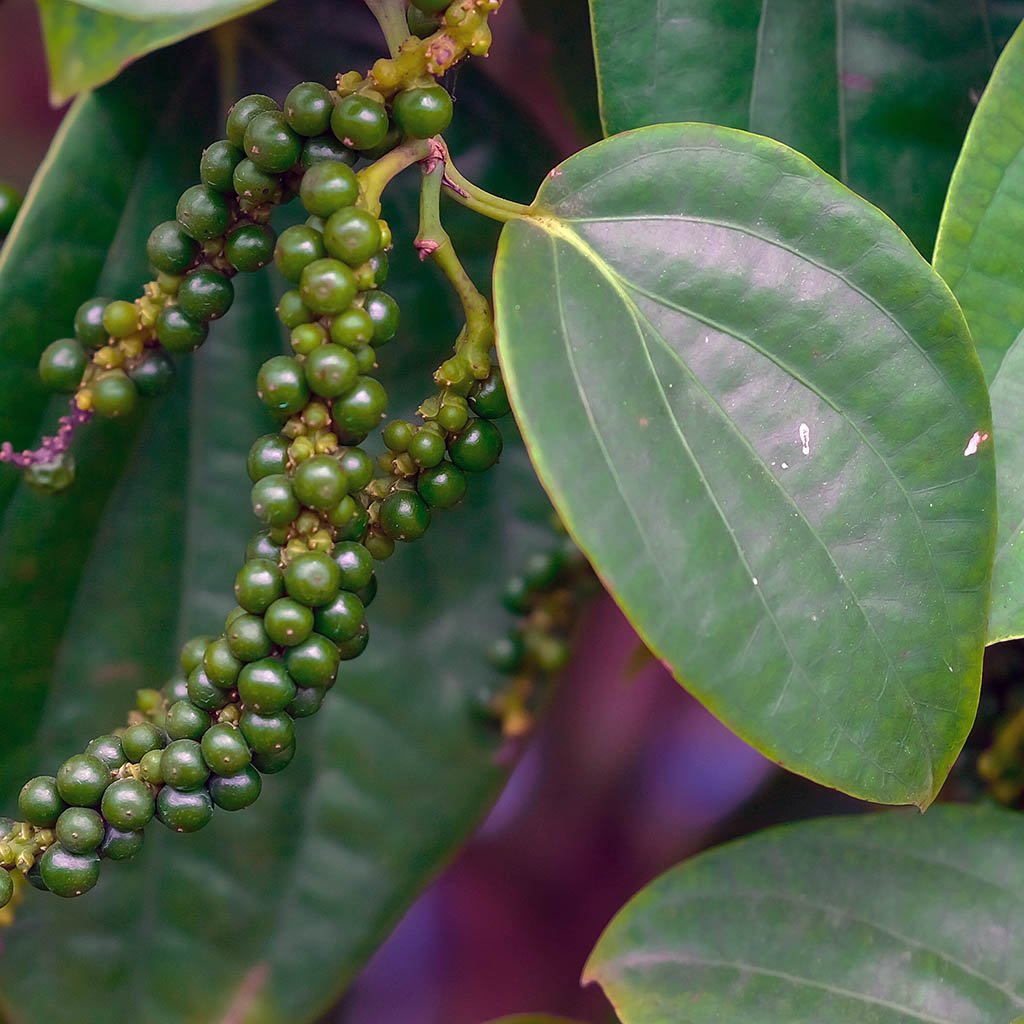
Latin name: Piper nigrum
Origin: India
Farming Method: organic N/C means raised according to Organic specifications, but not officially Certified Organic.
Plant Parts: Dried ripened berries
Process: Steam Distilled
additional information:
Black Pepper essential oil, steam-distilled from the dried peppercorns of Piper nigrum, is a bold and warming essence with a rich legacy that spans ancient trade routes, sacred rituals, and traditional medicine. Its pungent aroma and fiery energy have made it a staple in both culinary and healing traditions for thousands of years.
Medicinal & Therapeutic Benefits
Therapeutically, Black Pepper oil is a powerful stimulant and detoxifier.
Enhances circulation, warms cold extremities, supports the body’s detox pathways
Stimulates appetite and relieves constipation
In Ayurvedic medicine it’s used to ignite agni, the digestive fire.
Eases muscle aches, arthritis, and stiffness
Expectorant action helps clear respiratory congestion
Rich in antioxidants and antimicrobial compounds, it also supports immune health and protects against oxidative stress.
Spiritual & Emotional Benefits
Emotionally, Black Pepper essential oil is fortifying and clarifying.
Helps release emotional blockages tied to fear, grief, and self-doubt
Offers a sense of courage and resilience
Stimulating nature sharpens focus and motivation,
Valuable ally during times of fatigue or indecision.
Spiritually, Black Pepper has long been used for protection and grounding. It’s associated with the solar plexus chakra, enhancing personal power, will, and energetic boundaries. In ritual work, it’s used to dispel negativity and strengthen one’s inner fire.
Historical & Cultural Significance
Historically, Black Pepper’s influence is profound. Native to South India and Sri Lanka, black pepper was once so prized it served as currency and tribute, earning the nickname “black gold.”
In ancient Egypt, peppercorns were found in the nostrils of Ramses the Great during mummification—symbolizing preservation and protection. In Roman times, it was featured in over two-thirds of recipes in the oldest known cookbook, and in medieval Europe, it was locked away in vaults like treasure. Its enduring value across cultures speaks to its versatility and potency—not just as a spice, but as a symbol of vitality, strength, and sacred fire.
Pure Pepper Black Essential Oil (Essence) (organic n/c)
'Tend your fire so that it may burn bright and steady'
Family: Piperaceae
Latin name: Piper nigrum
Origin: India
Farming Method: organic N/C means raised according to Organic specifications, but not officially Certified Organic.
Plant Parts: Dried ripened berries
Process: Steam Distilled
additional information:
Black Pepper essential oil, steam-distilled from the dried peppercorns of Piper nigrum, is a bold and warming essence with a rich legacy that spans ancient trade routes, sacred rituals, and traditional medicine. Its pungent aroma and fiery energy have made it a staple in both culinary and healing traditions for thousands of years.
Medicinal & Therapeutic Benefits
Therapeutically, Black Pepper oil is a powerful stimulant and detoxifier.
Enhances circulation, warms cold extremities, supports the body’s detox pathways
Stimulates appetite and relieves constipation
In Ayurvedic medicine it’s used to ignite agni, the digestive fire.
Eases muscle aches, arthritis, and stiffness
Expectorant action helps clear respiratory congestion
Rich in antioxidants and antimicrobial compounds, it also supports immune health and protects against oxidative stress.
Spiritual & Emotional Benefits
Emotionally, Black Pepper essential oil is fortifying and clarifying.
Helps release emotional blockages tied to fear, grief, and self-doubt
Offers a sense of courage and resilience
Stimulating nature sharpens focus and motivation,
Valuable ally during times of fatigue or indecision.
Spiritually, Black Pepper has long been used for protection and grounding. It’s associated with the solar plexus chakra, enhancing personal power, will, and energetic boundaries. In ritual work, it’s used to dispel negativity and strengthen one’s inner fire.
Historical & Cultural Significance
Historically, Black Pepper’s influence is profound. Native to South India and Sri Lanka, black pepper was once so prized it served as currency and tribute, earning the nickname “black gold.”
In ancient Egypt, peppercorns were found in the nostrils of Ramses the Great during mummification—symbolizing preservation and protection. In Roman times, it was featured in over two-thirds of recipes in the oldest known cookbook, and in medieval Europe, it was locked away in vaults like treasure. Its enduring value across cultures speaks to its versatility and potency—not just as a spice, but as a symbol of vitality, strength, and sacred fire.